

Early Schematic Ideation and Generative Adoption
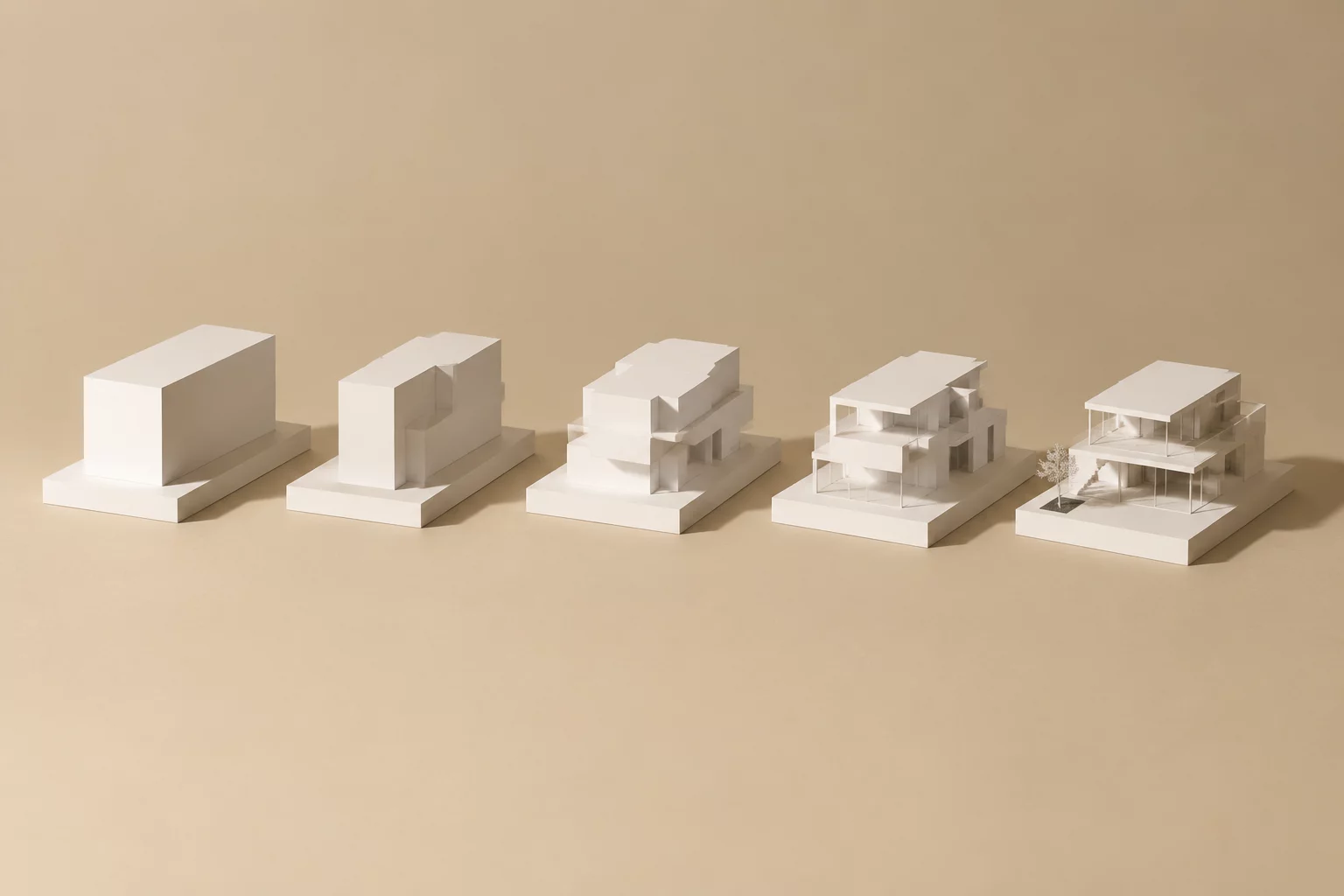
The joint study conducted by Chaos and Architizer provides definitive data on how global architecture firms deploy artificial intelligence across preliminary project stages. Rather than substituting foundational drafting or engineering rigor, machine learning tools find their strongest footing in early brainstorming and massing exploration. Design teams leverage prompt-assisted visualizers to examine volumetric iterations, test building envelope textures, and assess atmospheric spatial moods within minutes rather than days.
This shift shifts substantial cognitive effort toward the front end of the design cycle. Architects report that rapid conceptual iteration allows studios to discard flawed ideas early, focusing atelier resources on spatial configurations with genuine technical viability. By integrating Vectorworks architectural case studies into these schematic milestones, practitioners establish clear boundaries between speculative visual output and constructible geometric intent.
Key Industry Benchmark Findings
- 01. Early Integration Share: 68% of surveyed firms utilize AI tools during conceptual brainstorming and preliminary massing rather than detailed documentation.
- 02. Iteration Velocity: Studios experience an average 40% reduction in time spent producing schematic client presentations and feasibility decks.
- 03. Intent Verification: Over 74% of design leads mandate manual geometric validation to preserve original architectural design intent throughout the workflow.
Bridging Algorithmic Synthesis with Parametric Rigor
The transition from generative two-dimensional representations to coordinate-accurate BIM environments represents the primary operational bottleneck identified in the survey. While generative models excel at producing evocative environmental context and daylight impressions, they lack internal structural hierarchy and spatial tolerance. Studios bridge this divide by importing early image layers directly into coordinate-locked modeling canvases.
“Generative tools are potent catalysts for architectural ideation, yet true spatial discipline requires anchoring every speculative surface back to verifiable architectural design intent.”
Through disciplined translation routines, practitioners extract proportional ratios and volumetric envelopes from conceptual outputs, immediately calibrating them against site setbacks, solar path analyses, and local code restrictions. This hybrid approach ensures that digital exploration serves constructability rather than superficial aesthetics.
Methodology Evolution and Atelier Practice
The findings emphasize an essential methodological evolution: AI acts as an interpretive sketchpad rather than an autonomous author. Ateliers establish structured protocols to ensure that conceptual exploration produces actionable spatial design decisions across three critical parameters:
- Calibrating volumetric proportions against rigorous zoning and envelope constraints within preliminary Vectorworks models.
- Filtering generative material palettes against verified embodied carbon metrics and structural feasibility standards.
- Maintaining consistent lineage from preliminary client vision through schematic development without aesthetic drift.
By treating computational algorithms as an iterative assistant, architects retain absolute authority over spatial sequencing, material integrity, and tectonic expression. The Chaos and Architizer survey establishes that the future of AEC practice rests not on automated design, but on enriched architectural dialogue supported by precise digital craft.



Contribute to the Architectural Discourse
Your comment will be verified by our editorial board before publication.