

Shifting From Descriptive to Measurable Material Performance
The American Institute of Architects has published an extensive nationwide study assessing the shifting dynamics of architectural material specifications. As environmental targets tighten and delivery schedules compress, firms across the country are abandoning ambiguous qualitative descriptions in favor of rigorous performance criteria. The report confirms that translating architectural design intent into verifiable physical fabrications requires structured specification workflows right from preliminary concept stages.
By incorporating granular material attributes into early digital models, project teams can identify structural incompatibilities and thermal weaknesses months before ground breaking. The investigation emphasizes how digital specification tools empower architects to retain control over aesthetic character while satisfying stringent municipality codes and sustainability thresholds.
Critical Study Metrics & Industry Shifts
- 01. Digital Specification Adoption: 74% of leading AEC studios integrate live specification databases directly inside their primary BIM workflows.
- 02. Embodied Carbon Reduction: Projects utilizing early lifecycle schedules recorded an average 22% reduction in upfront carbon footprints.
- 03. Specification Drift Mitigation: Standardized parametric schedules cut contractor substitution disputes during construction administration by over 40%.
Bridging Concept Modeling and Material Traceability
One of the standout conclusions in the publication highlights how specification fragmentation often erodes conceptual clarity. When material documentation happens as an afterthought, contractors frequently replace specified assemblies with generic alternatives during bidding. To counteract this drift, design leaders are coupling geometric models with dynamic schedules that calculate real-time embodied carbon and supply chains.
“Specifying a material is not simply filling out CSI MasterFormat sections; it is the ultimate codification of architectural design intent into tactile, enduring reality.”
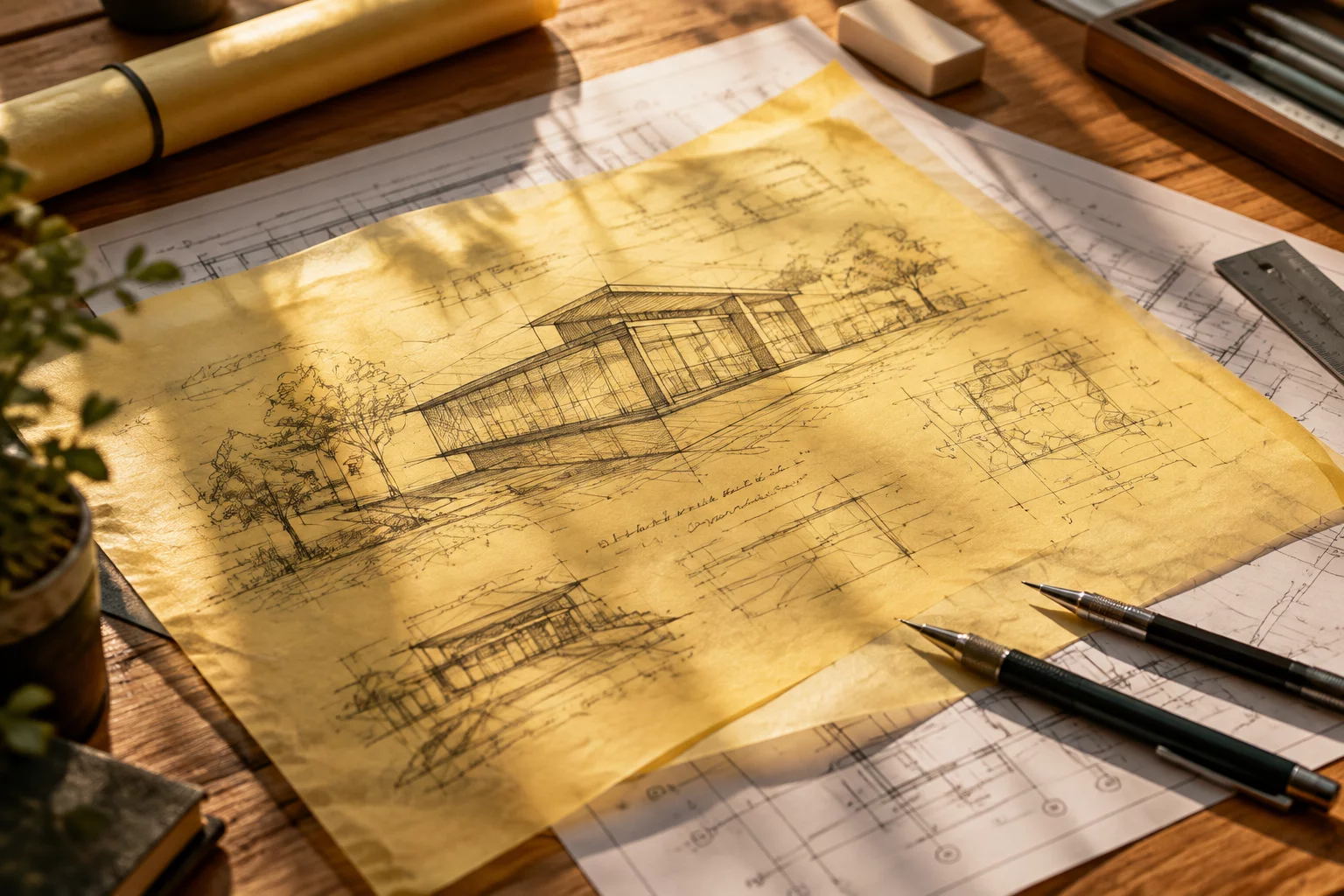
Modern practice demonstrates that architectural clarity survives only when material properties are embedded directly within drafting workflows. In contemporary Vectorworks architectural case studies, synchronizing data-rich spatial models with external specification databases guarantees that design criteria remain non-negotiable throughout contractor negotiations.
Implementing Methodological Standards Across Project Stages
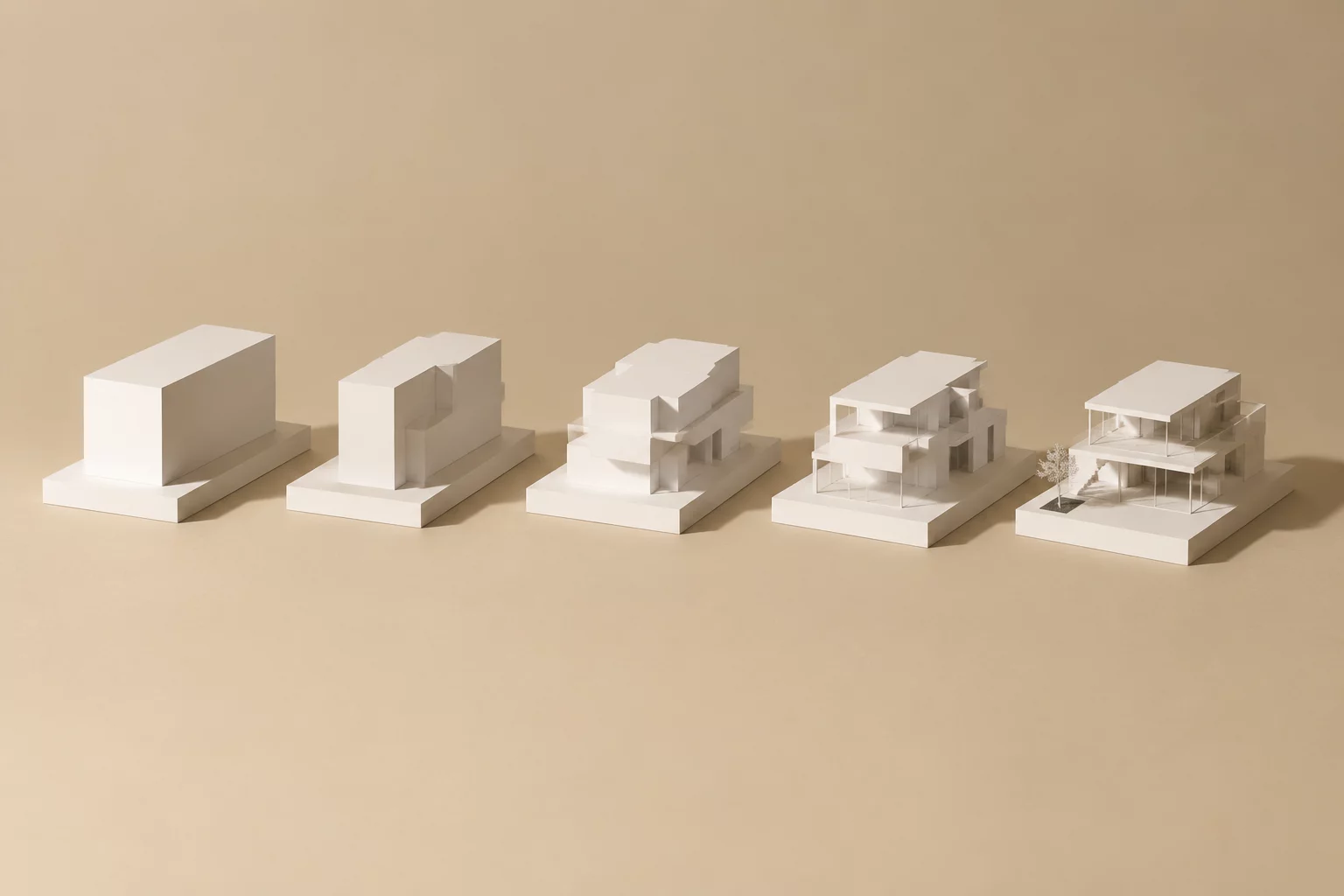
The study identifies four progressive stages that forward-thinking practices employ to ensure material integrity from schematic drafting through post-occupancy handover:
- Early-stage baseline carbon and durability benchmarking during schematic spatial layout.
- Continuous parametric verification connecting 3D geometry to verified Environmental Product Declarations.
- Automated specification auditing to prevent unauthorized on-site substitutions during procurement.
Adopting these structured stages ensures that the physical realization of buildings honors the environmental and aesthetic vision established at conception. As the discipline moves forward, material specification is no longer a peripheral administrative task, but a central driver of architectural excellence.


Contribute to the Architectural Discourse
Your comment will be verified by our editorial board before publication.