
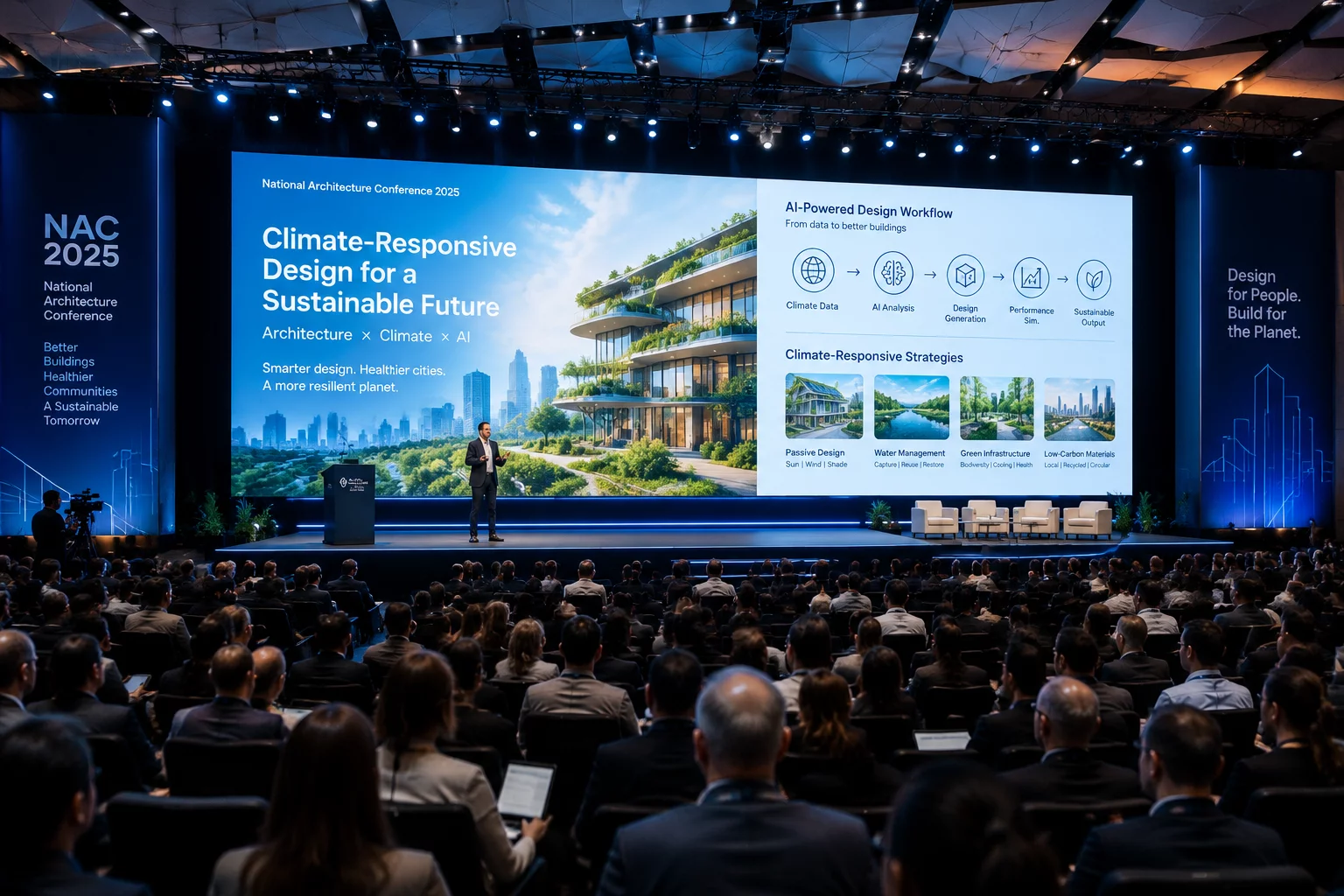
Dissecting the Curatorial Direction of AIA26
The AIA26 National Conference convened thousands of practitioners to address a pivotal transition in the profession: how architectural design intent can survive the pressures of tightening carbon mandates, supply chain volatility, and algorithmic disruption. Rather than celebrating formal spectacle, the keynote tracks established a rigorous focus on delivery methodologies. Panels repeatedly returned to the question of fidelity, tracking how initial conceptual geometry either degrades or gains strength as it navigates structural modeling and contractor handoffs.
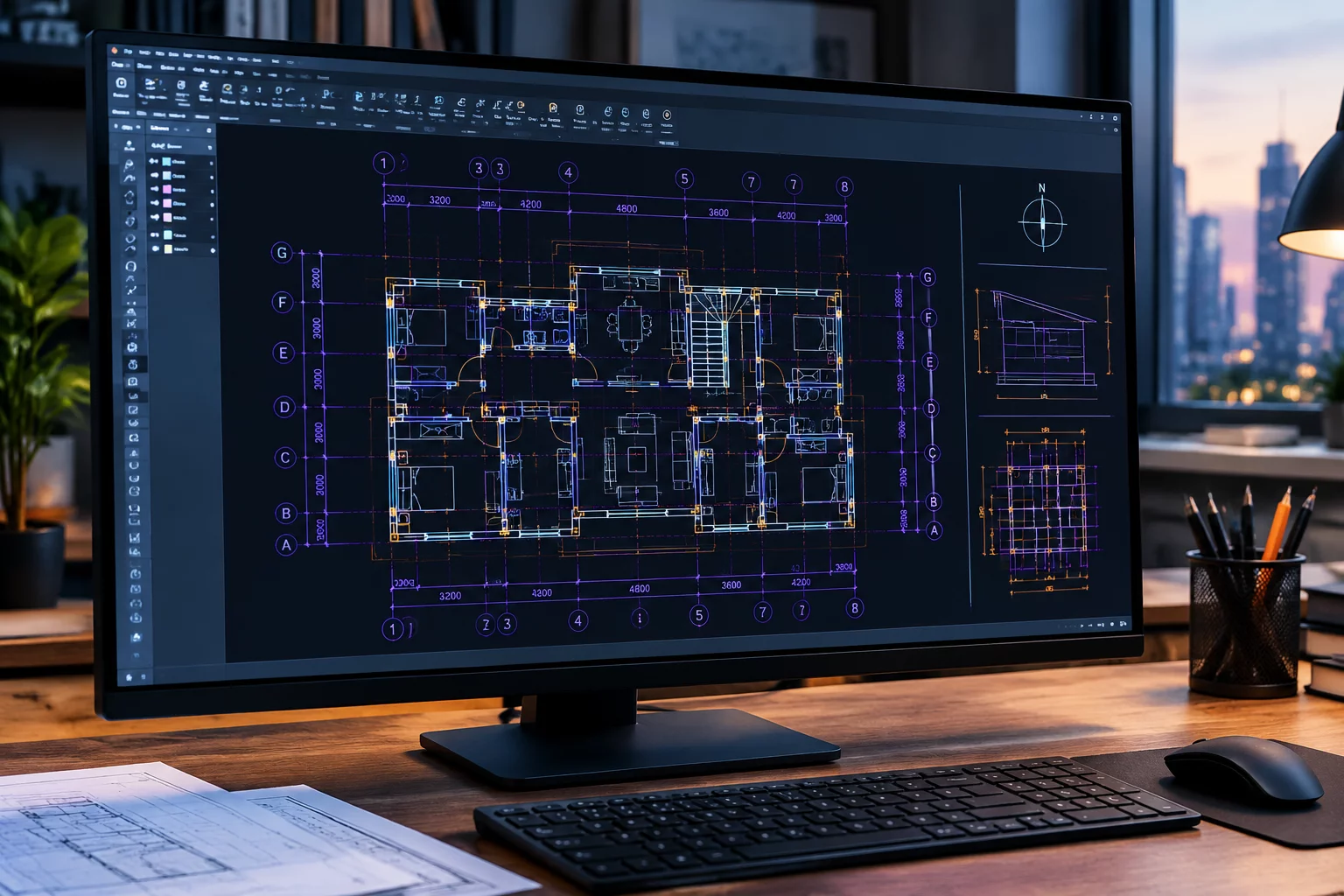
Studio directors shared transparent post-mortems from recent commercial and institutional projects. A recurring theme was the necessity of rigorous modeling tools that connect preliminary sketch rationale directly to technical schedules. In our analysis of contemporary practice, drawing parallels to Vectorworks architectural case studies illustrates how maintaining an unbroken chain of metadata preserves nuanced spatial ideas against unintentional erosion during technical detailing.
Conference Key Indicators & Policy Shifts
- 01. Attendance Demographics: Over 14,200 licensed architects, urban designers, and structural consultants participated across four plenary days.
- 02. Embodied Carbon Mandate: 82% of technical sessions incorporated whole-building lifecycle assessment (WBLCA) protocols into standard schematic deliverables.
- 03. Technology Benchmarking: 64% of participating studios reported integrating generative optimization algorithms directly into their primary BIM environments.
Operationalizing Sustainable Intent from Concept to Site
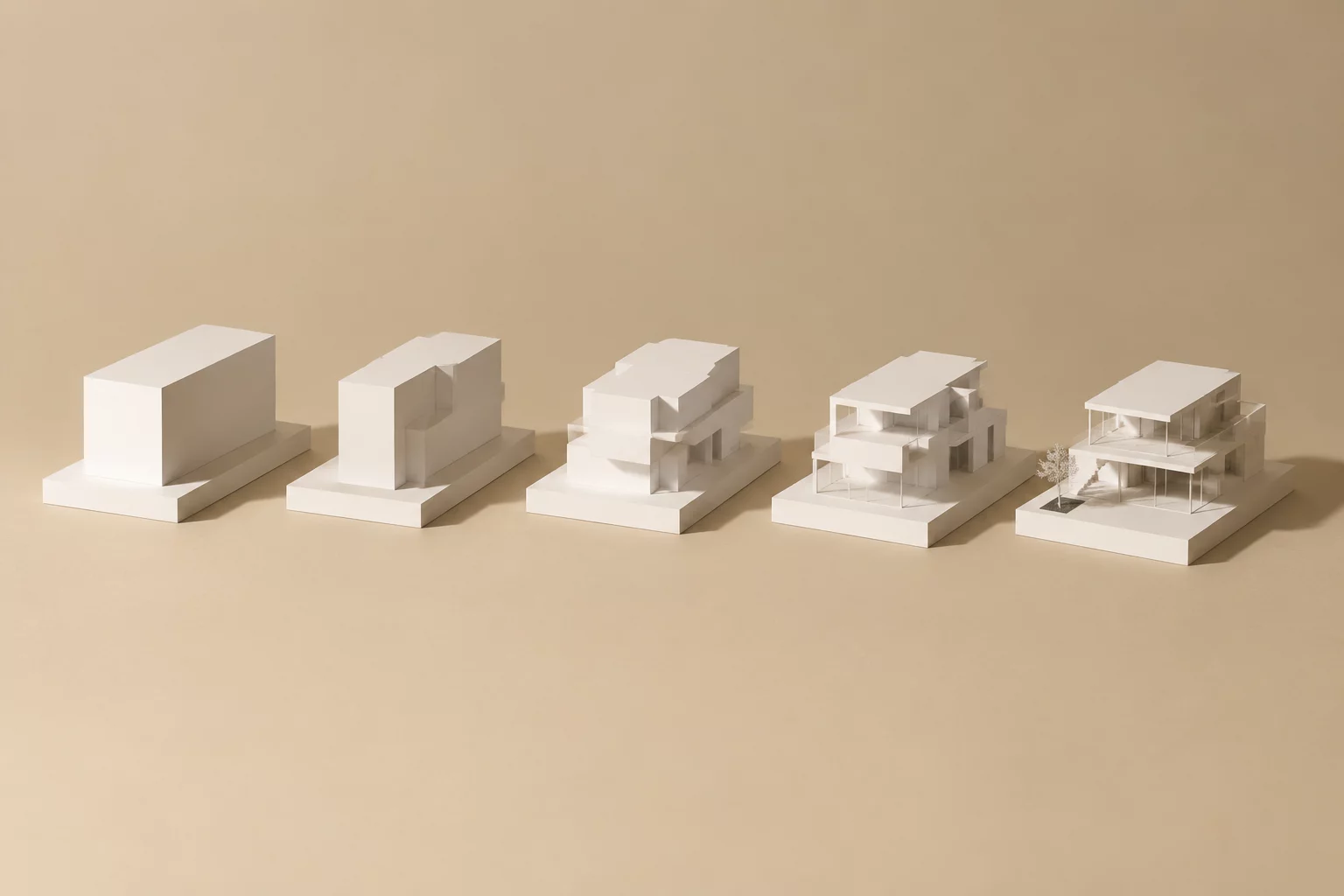
Historically, sustainable design strategies suffered from an implementation gap, where aspirational thermal concepts dissipated under financial scrutiny. AIA26 presentations underscored that decarbonization is not an accessory layer added in design development, but a geometric and material baseline established during preliminary site massing. Speakers demonstrated how early solar envelope analysis and embodied carbon budgeting directly dictate structural bays and facade articulation.
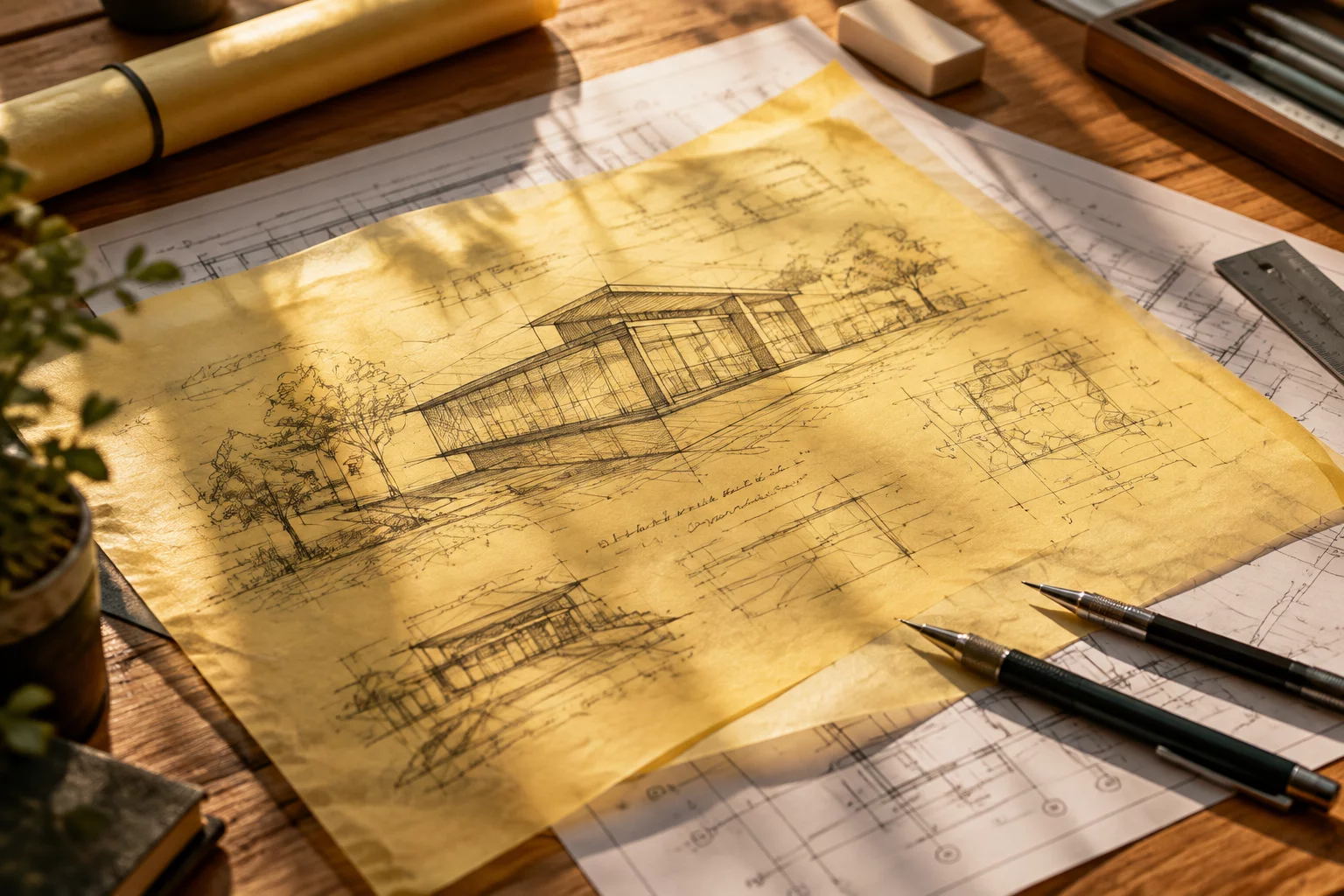
“When architectural design intent is grounded in verifiable material performance from the very first line drawn, value engineering ceases to be a destructive compromise and becomes an optimization routine.”
The discourse made clear that documentation precision determines ecological reality. When teams deploy advanced BIM methodologies, such as those documented in recent Vectorworks architectural case studies, the gap between thermal simulation and field performance closes significantly. Specifying localized timber assemblies and low-clinker concretes in coordinated schedules ensures that contractors price the intended low-carbon assemblies rather than default high-emission substitutes.
Methodological Takeaways for Contemporary Ateliers
Emerging from the conference workshops are three distinct operational protocols that progressive studios are embedding into their core practice workflows:
- Continuous Embodied Carbon Tracking: Implementing live carbon calculation plugins within authoring tools during initial concept phases.
- Contractual Design-Intent Documentation: Formulating explicit design narrative clauses in bid documents to defend subtle tectonic details.
- Interoperable Geometry Pipelines: Establishing lossless data transfer pipelines between Rhino, Vectorworks, and IFC compliance checkers.
As the industry adapts to the standards championed at AIA26, ateliers that harmonize computational rigor with authentic spatial poetics will define the next decade of built work. Preserving architectural design intent is ultimately an ethical commitment to the communities that inhabit our finished spaces.

Contribute to the Architectural Discourse
Your comment will be verified by our editorial board before publication.